
Introduction
For more than two decades, growth in pharmaceuticals, particularly in generics, was driven by scale. Larger portfolios, broader geographic reach, higher-throughput manufacturing, and aggressive cost efficiency defined the competitive advantage. Volume was a strategy
.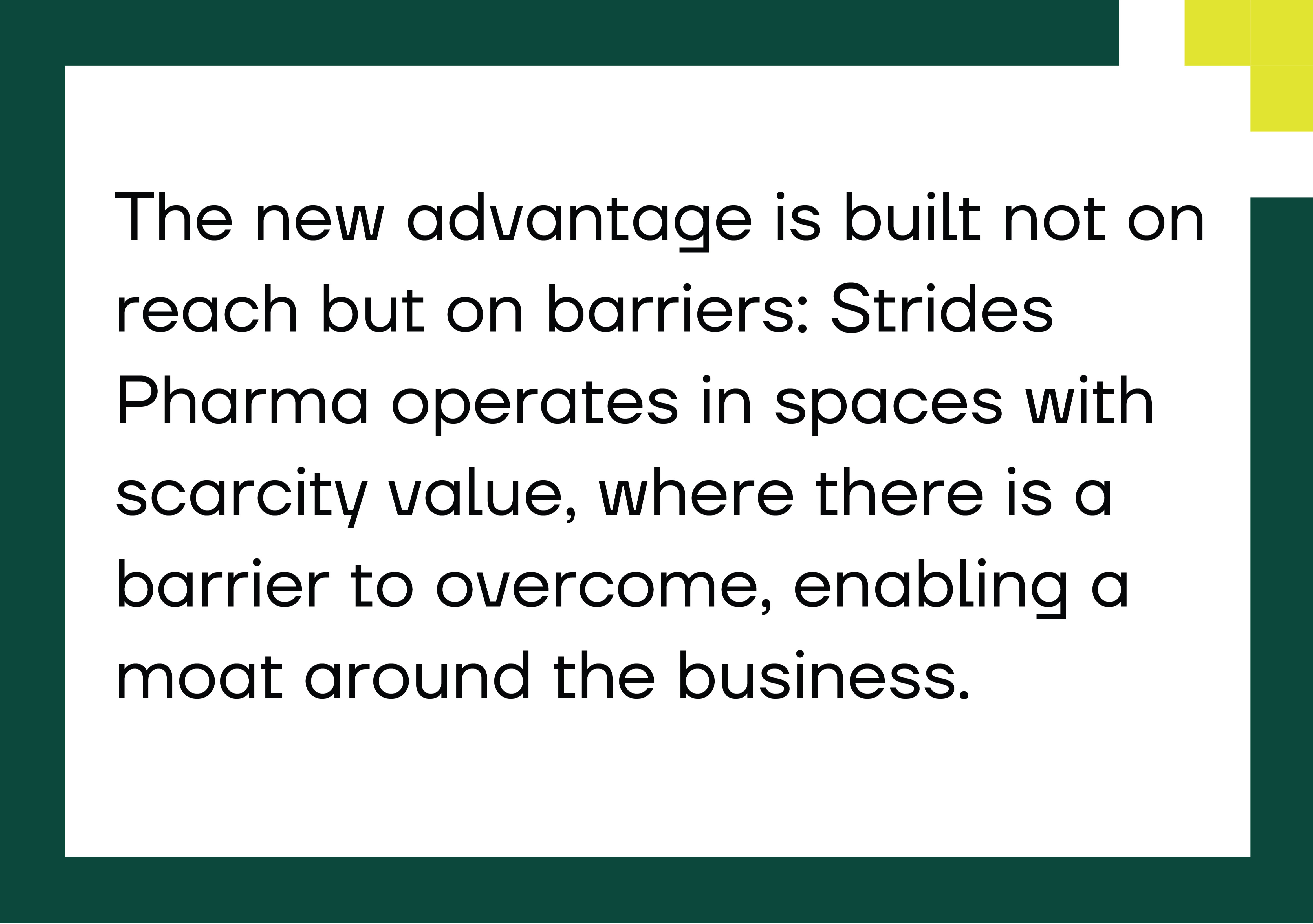
That equation is changing
Across global markets, the signals are converging: pricing compression, tighter reimbursement filters, supply chain disruption, ESG cost overlays, regulatory scrutiny, and portfolio crowding are steadily eroding the returns of high-volume, low-complexity segments. The next wave of sustainable growth is emerging in technically difficult products, scarcity-driven niches, and partnership-led execution models.
The idea of scarcity as a strategy is increasingly shaping how forward-looking pharma companies select portfolios, build capabilities, and structure partnerships.
The Limits of the Volume Model
The traditional generics growth engine depended on three assumptions: scale lowers cost, cost wins tenders, and tenders drive predictable volume. For a long time, this worked.
But today, multiple forces are weakening that flywheel:
-
Portfolio crowding in standard oral solids
-
Aggressive procurement frameworks
-
Reimbursement systems focused on absolute cost over incremental benefit
-
Regulatory and compliance expectations that raise fixed costs
-
Supply chain diversification requirements
-
ESG and sustainability mandates that add operating overhead
In this environment, volume alone no longer guarantees margin resilience. In fact, in many categories, it guarantees the opposite. The response is not simply to optimize harder, but to choose differently.
The Return of the Scarcity Premium
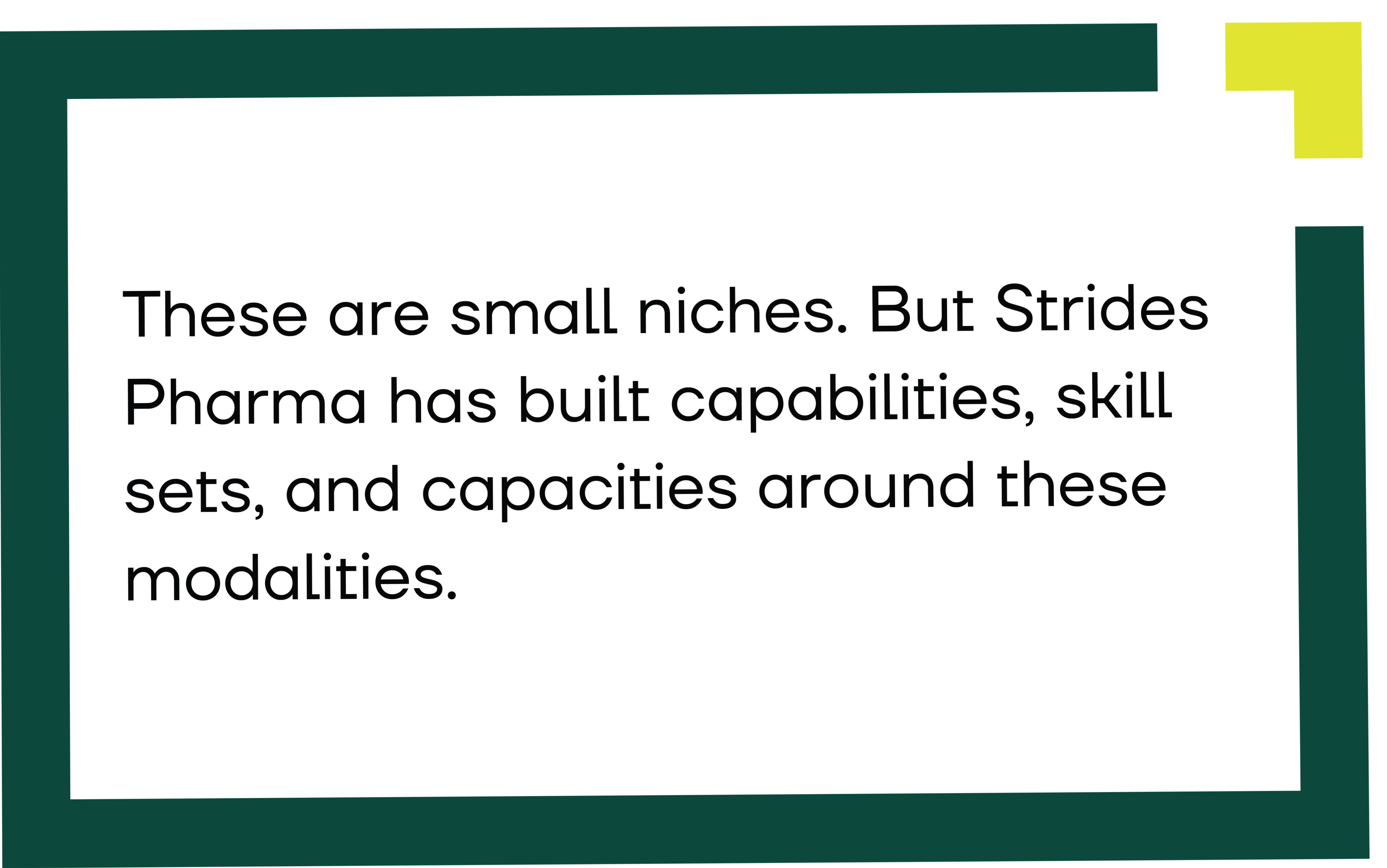
Pharmaceutical scarcity is not solely about the rarity of the disease. We must think of it as the difficulty of execution: products that are harder to develop, manufacture, scale, regulate, or substitute.
This includes:
-
Complex dosage forms
-
Specialized delivery formats
-
Drug-device combinations
-
Controlled substances
-
Technically demanding reformulations
-
Bioavailability-enhanced formats
-
Stability-sensitive products
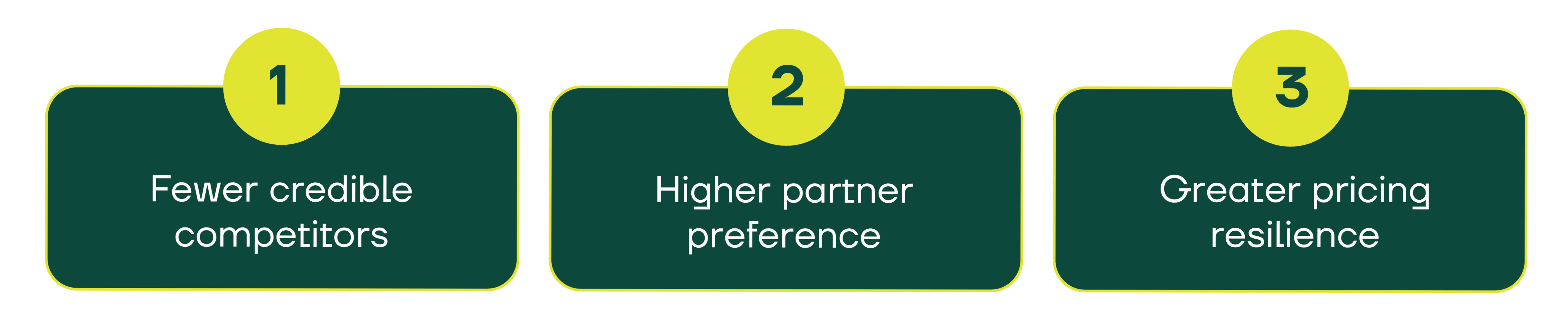
Scarcity creates three strategic advantages:
The global complex generics market, which includes injectables, transdermal patches, and other non-traditional formats, is projected to grow from approximately USD 90.7 billion in 2025 to USD 197.6 billion by 2035, at about an 8.1% CAGR.
In crowded categories, competition is inevitable. In scarce categories, qualification itself becomes a filter.
Why “Difficult to Develop” Is Now a Business Strategy
Technical complexity is often misunderstood as a scientific ambition. In reality, it is increasingly a commercial strategy.
When development pathways are more complex, involving specialized formulation science, device interfaces, modified bioavailability, or novel administration routes, fewer players can participate meaningfully. That shifts negotiation power, partnership interest, and margin structure.
But complexity alone is not enough. It must pass a strict techno-commercial test.
The global specialty generics segment (generic versions of complex or high-value drugs) was valued at USD 76.7 billion in 2023 and is expected to reach USD 274.8 billion by 2032, growing at a 15.5% CAGR, significantly faster than overall generics.
The way to be successful is not just to develop the product, but to figure out the right way to market it, the USP of that format compared to what already exists.
Even differentiated formats can fail commercially if they do not deliver a meaningful clinical or economic step change. If the step change is only incremental, a reimbursement agency will not preferentially reimburse this format, because they are looking at cost versus therapeutic benefit.
The lesson is clear: difficulty must translate into a decision advantage for prescribers, payers, or partners.
Partnerships Are Becoming Capability Multipliers
As product complexity increases, no single organization possesses all the required capabilities across development, regulatory strategy, device engineering, scale-up manufacturing, and market access. Partnership models are therefore evolving, from transactional outsourcing to capability complementarity.
In this model:
-
Specialized partners accelerate timelines
-
Domain experts reduce execution risk
-
Complementary strengths create portfolio leverage
Speed itself becomes an economic driver. At the same time, large pharma organizations are actively rationalizing and optimizing their external partner networks, preferring fewer, more capable, more differentiated collaborators over broad vendor pools. That further rewards niche specialization.
Alliance Discipline: Transparency Beats Perfection
As partnerships deepen, execution discipline becomes as important as technical capability. One operating principle stands out as non-negotiable in modern alliances: early transparency.
This insight reflects a broader shift in alliance management:

In complex product environments, uncertainty is normal. Concealment is costly.
Continuous Niche Discovery; Not One-Time Strategy
Operating in scarcity-driven niches creates another ongoing challenge: the search never stops. Unlike volume portfolios, niche portfolios cannot be filled once and left static. Opportunity discovery becomes a continuous leadership discipline.
One of the biggest challenges is identifying the next niche. It cannot be just a technical evaluation, nor just a commercial one.
Balanced qualification requires:
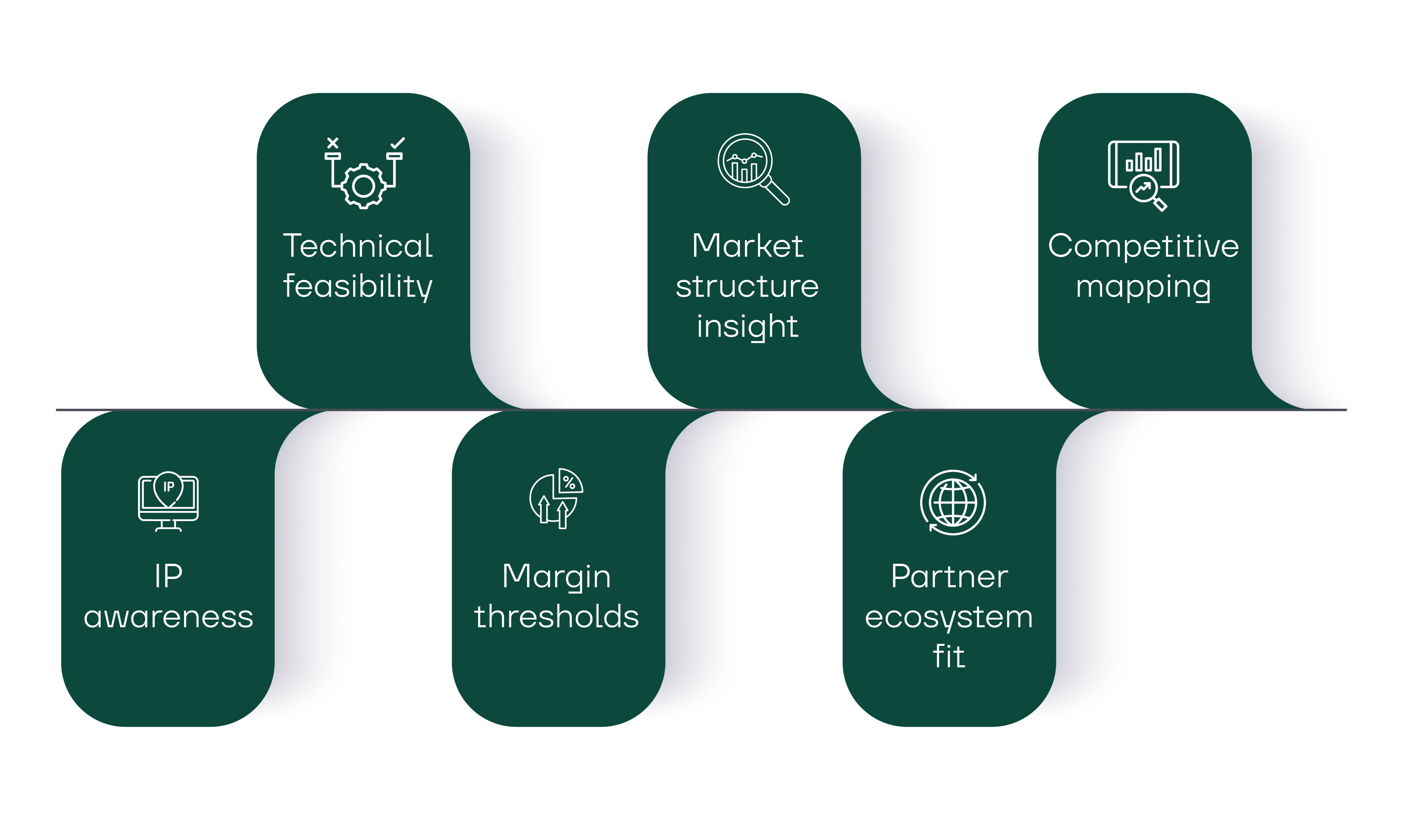
And above all, constant learning behavior. Network intelligence is becoming as valuable as pipeline intelligence.
The Unpredictable Advantage of Specialization
One unexpected finding from niche strategy is that portfolio value is not always where it is expected to be. Specialized products often unlock:
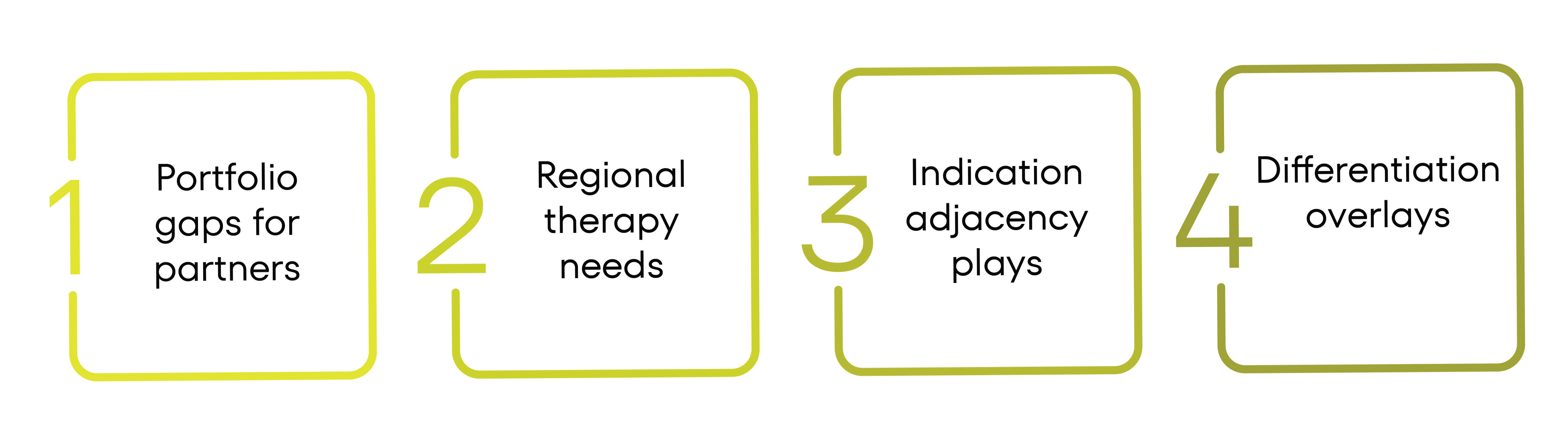
In other words, niche value is frequently discovered through engagement, not forecast through spreadsheets.
From Scale to Selectivity
The next decade of pharma growth will not abandon scale, but it will reward selectivity more than breadth. Companies that deliberately build scarce capabilities, pursue difficult products, and structure complementary partnerships will likely outperform those competing purely on volume efficiency.
The competitive question is no longer: How much can you make? Instead, we must ask: What can you make that others cannot … and who can you build it with?
Key Takeaways
-
The traditional volume-driven generics model, reliant on scale and cost leadership, is no longer the default path to sustainable value. Competitive advantage is increasingly shaped by scarcity-driven niches and execution complexity.
-
Products that are harder to develop, regulate, and manufacture, such as controlled substances, advanced delivery formats, and drug-device combinations, increasingly command defensible commercial positions.
-
Technical innovation without commercial value creation (e.g., only incremental benefit) struggles to secure reimbursement preference or pricing advantage, underscoring that a commercial strategy must accompany technical innovation.
-
Modern pharma partnerships are structured around complementary strengths rather than simple outsourcing. Early transparency and mutual execution rhythm are fundamental to alliance success.
-
Identifying the next niche requires ongoing market sensing, domain expertise, and relationship networks, underscoring that opportunity identification is a leadership discipline, not a one-time process.
References
-
Future Market Insights. (2025). Complex generics market analysis – Size, share, and forecast outlook 2025 to 2035 [Industry report]. Future Market Insights. https://www.futuremarketinsights.com/reports/complex-generics-market
-
Mordor Intelligence. (2026). Inhalation and nasal spray generic drugs market size & share report [Industry report]. Mordor Intelligence. https://www.mordorintelligence.com/industry-reports/inhalation-and-nasal-spray-generic-drugs