Introduction
Portfolio management has gained exponential importance in view of growing generic competition, high price erosion and shrinking profit margins.
The Pillars of Successful Portfolio Management
Effective portfolio management revolves around three straight pillars, often summarised as the “3Q Strategy”:
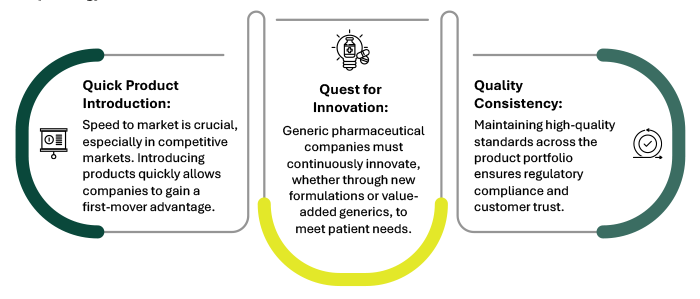
While these elements are foundational, they are just the starting point. A truly successful portfolio strategy involves a deep understanding of market data, competitive landscapes, and the unmet needs of the patients. It’s about building capabilities, improving patient compliance, and offering tailored solutions that address local market demands.
Beyond the Short-Term: Why Long-Term Strategy is Essential
Many generic companies focus on filling their product pipeline with what's immediately available or profitable, but this short-term approach can lead to stagnation. To ensure long-term sustainability, pharmaceutical companies must build portfolios that not only meet current market demands but also anticipate future trends.
A forward-thinking portfolio strategy includes:
• In-depth market analysis: Regularly updating the pipeline based on comprehensive market intelligence.
• Capability building: Investing in R&D to handle more complex molecules and challenging patents. In 2023, global research and development investments in the pharmaceutical industry surpassed$300 billion, marking a substantial increase from $137 billion in 2012.
• Local adaptations: Tailoring the product mix to meet specific regional needs while maintaining global standards.
The modern approach to portfolio management goes beyond traditional generics. It now includes differentiated generics (505(b) (2) pathway), in-licensing opportunities for quicker market entry, and disease-specific niche portfolios that target unmet therapeutic needs.
Breaking down Portfolio Management
Portfolio management is a dynamic and continuous process. One of the biggest challenges is decision-making, which has grown more complex in recent years. Rising development costs, a competitive environment, and the constant pressure to innovate have made robust decision-making more challenging than ever.
High-quality data, structured review processes, and measures to mitigate bias in decision-making are essential for a successful portfolio. Portfolio teams must constantly review their strategies to align with market needs and organisational goals.
a. Decision-making Companies must evaluate individual project metrics, such as Net Present Value (NPV), probability of success, and alignment with strategic goals. These metrics ensure that resources are funnelled into projects offering the best returns and growth opportunities.
b. Portfolio analysis This moves beyond individual project evaluation to analyse the portfolio as a whole, considering the collective value, risk, and productivity.
c. Feasibility analysis This deals with the practical limitations of implementing the portfolio strategy.
d. OptimisationThe final step in the funnel focuses on adjusting the portfolio for maximum return with manageable risk.
The most challenging part of the portfolio function is that it is a dynamic process that requires continuous exploration, innovation, and market intelligence.
Portfolio management metrics and criteria
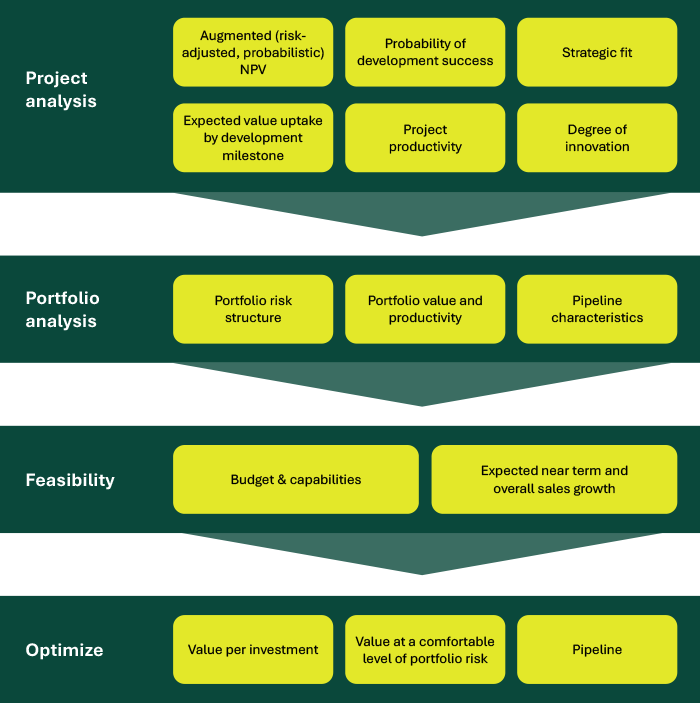
Ref: https://www.delveinsight.com/blog/pharma-and-healthcare-portfolio-management
What Drives Portfolio Management?
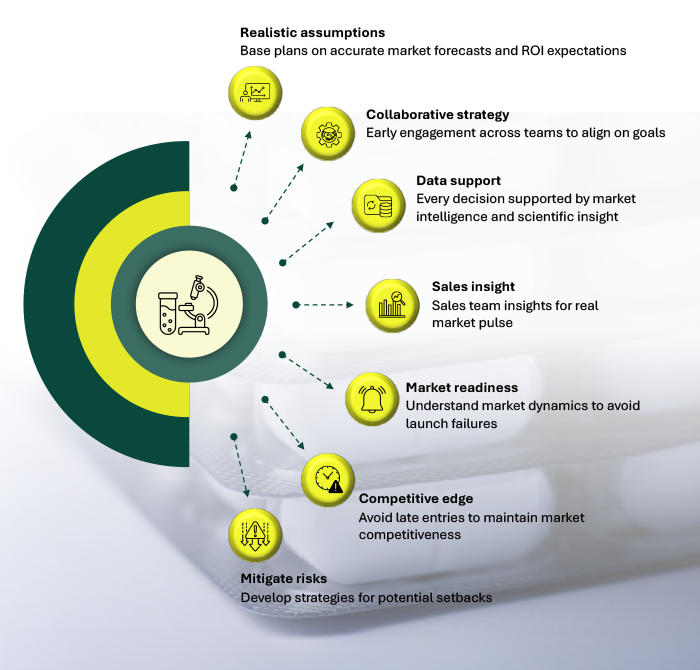
At its core, portfolio management is driven by collaboration. Cross-functional teams, including R&D, regulatory, and sales, must work together from the outset to identify and develop products that resonate in the market. Strong market intelligence is critical, as a lack of it can lead to product failure even before launch.
Time to market is another critical factor. Late entry into a market can severely impact a product’s success. A well-defined business plan with best and worst-case scenarios is essential to mitigate this risk. This should include realistic projections for price erosion, market share, and return on investment.
At Strides Pharma, we develop a robust framework for this exercise, as seen below:
Looking Ahead: The Future of Portfolio Management
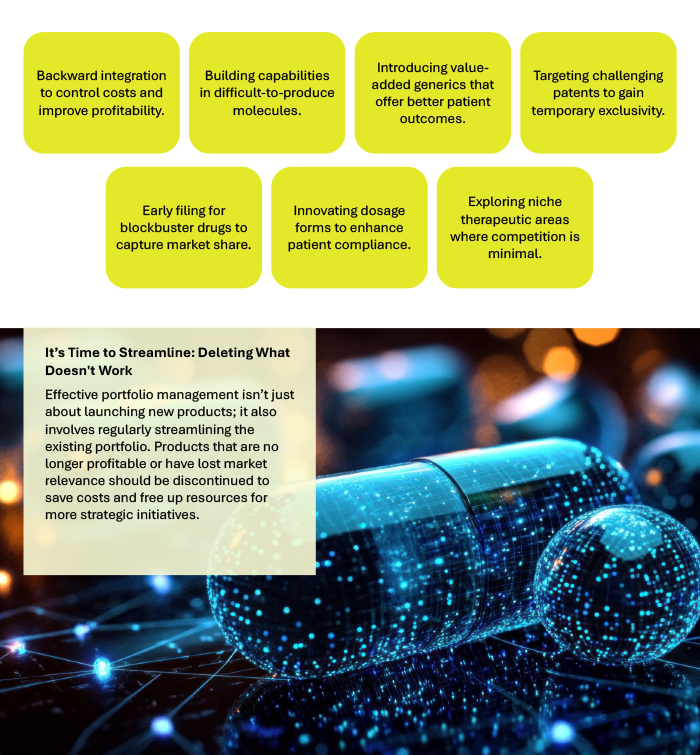
In the coming decade, portfolio management will be a defining factor in the success of generic pharmaceutical companies. The ability to build a strong product mix, based on internal capabilities and customer demand, will drive organisational growth.
Companies should focus on the following:
In Summary: How Do We Stay Ahead of the Curve?
Pharmaceutical portfolio management is no longer just about filling the pipeline; it’s about crafting a strategic, adaptable approach to thrive in a highly competitive and rapidly evolving market. Ultimately, a well-structured and dynamic portfolio management strategy will be the key differentiator that determines whether a company leads the market—or falls behind in the race for growth and innovation.
Key Takeaways
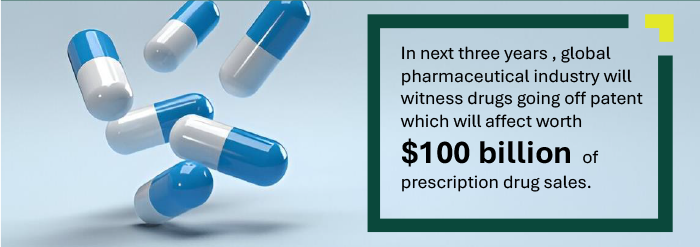
- ● The pharmaceutical industry faces $100 billion in potential losses due to patent expirations by 2028, highlighting the need for proactive portfolio strategies.
- ● Q3 Strategy: Strides Pharma emphasises quick product introduction quest, innovation, and quality consistency, as core components of its portfolio management approach.
- ● At Strides Pharma, collaboration between R&D, sales, and regulatory teams ensures product development aligns with market needs and maximises success.
- ● Adapting the product mix to meet local market demands is essential for long-term sustainability in a competitive global environment.
- ● A detailed risk management strategy, factoring in realistic ROI, market share, and potential price erosion, helps mitigate uncertainties in portfolio management.
- ● Regular portfolio reviews allow companies, including Strides Pharma, to focus on high-potential products and discontinue those that no longer add value.
- ● Timely product launches are critical to maintain competitiveness, as late market entry can hinder market share and product success.
- ● Streamlining the portfolio helps eliminate non-profitable products, focusing resources on key growth areas.
- ● Strides Pharma focuses on backward integration, innovation in dosage forms, and targeting niche therapeutic areas to ensure continued growth and market leadership.
References
- • Statista. (2023). Global total prescription drug revenue at risk from patent expiration from 2014 to 2028. Statista Research Department. Retrieved June 16, 2025.
- • Statista. (2024). Global research and development (R&D) spending in the pharmaceutical sector from 2002 to 2029. Statista Research Department. Retrieved June 16, 2025.
- • DelveInsight. (2023, December 14). Pharma and Healthcare Portfolio Management: Trends, Importance, and Future Outlook. DelveInsight Business Research LLP. Retrieved June 16, 2025.
Acknowledgements
We extend our gratitude to all contributors and key stakeholders, including our dedicated authors and the leadership team, for their unwavering support and invaluable contributions to the development of this article. Your expertise and commitment have been instrumental in bringing this work to fruition.