
Introduction
According to a recent industry report, supply chain disruptions have impacted nearly 80% of pharmaceutical companies worldwide in the past few years, making resilience and innovation central to emerging pharma supply chain trends.
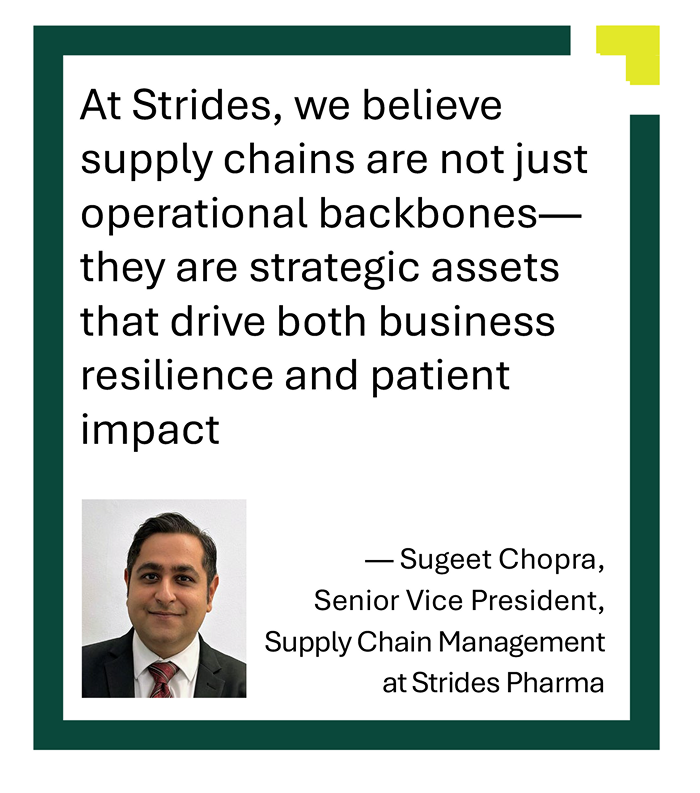
Patient centricity isn't a slogan—it's the guiding purpose behind every aspect of our supply chain strategy, ensuring that patients receive the medications they need, precisely when they need them.
As the landscape of supply chain management in the pharma industry evolves, companies like Strides Pharma are rethinking everything from sourcing and logistics to cold chain management and digital security. Join us as we explore the key pharma supply chain trends defining 2025—and how Strides is embracing these opportunities to build a resilient, sustainable, and patient-centric future.
Trends in Pharmaceutical Supply Chain Management in 2025
1. Sustainability Focus
Sustainability has become a cornerstone of emerging pharma supply chain trends, with companies across the globe rethinking how medicines are manufactured, packaged, and distributed. As regulatory pressures and environmental concerns intensify, supply chain management in the pharma industry is evolving to prioritise long-term ecological impact.
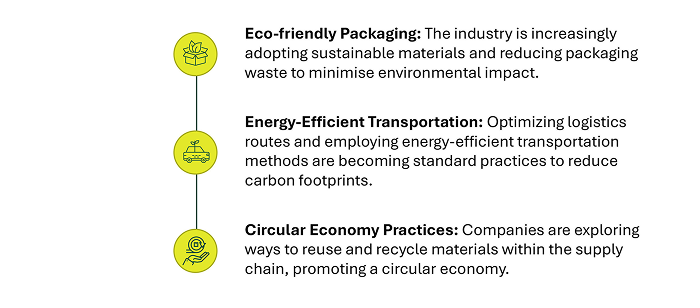
"Strides Pharma is actively working toward a more sustainable pharmaceutical supply chain by reducing its carbon footprint and optimising resource consumption."
The company has set an ambitious clean energy consumption target of 50% for FY25, with significant strides already made — 44% of total power consumption across all sites now comes from renewable sources, including solar and wind energy. To further these efforts, Strides has installed ~1.7 MW solar power plants, harvesting clean energy from rooftop solar panels across its facilities.
In addition to clean energy initiatives, Strides is committed to reducing greenhouse gas (GHG) emissions, with a carbon footprint offset target of 45% for FY25. Water conservation is another key focus area — 43.9% of water consumed in FY24 was recycled and reused within its facilities, with a goal of 45% water recycling and processing in FY25.
2. Supply Chain Resilience
a. Diversification of Suppliers : To mitigate geopolitical risks, companies are reducing reliance on single sources by diversifying their supplier base.
"Notably, Strides Pharma relies on a diverse and localised supplier base, with 69.8% of procurement value sourced from India and 91.5% of vendors located within the country. This strategic focus on local suppliers minimises supply chain disruptions and supports regional economic development."
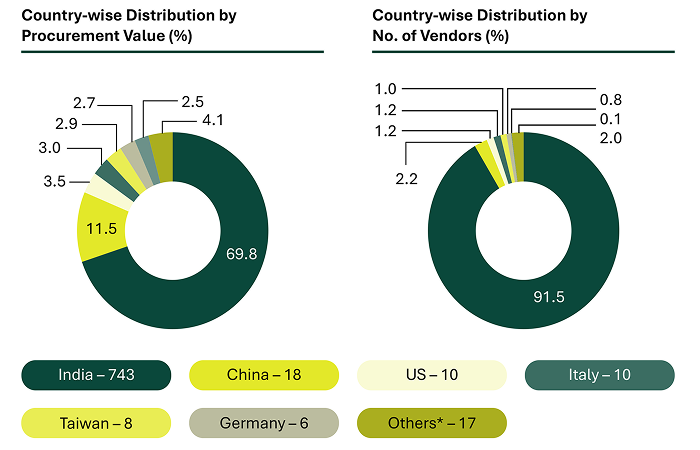
Additionally, Strides actively supports MSME and small-scale vendors, with 305 suppliers contributing to 7.2% of procurement spend value, strengthening supply chain inclusivity and resilience.
b. Nearshoring & Onshoring : Manufacturing closer to key markets allows for faster response times and reduces supply chain vulnerabilities.
Strides has enhanced its supply chain resilience by acquiring a manufacturing facility in the U.S., enabling the company to mitigate supply chain bottlenecks and drive logistics-related synergies for its U.S. business.
c. Contingency Planning : Proactive measures are being implemented to address potential disruptions like natural disasters or pandemics.
Strides Pharma leverages a sophisticated SAP mapping tool that provides comprehensive insights from API sourcing to finished product distribution, ensuring full visibility and proactive decision-making.
We also take a structured approach to supplier categorisation, allowing for effective vendor risk management. With 812 goods and materials suppliers, of which 705 are direct or tier-1 suppliers (accounting for ~88% of total procurement spend), we strategically manage supplier relationships to mitigate risks and seize key opportunities.
To ensure business continuity, Strides closely tracks critical suppliers—107 suppliers account for 88.5% of procurement value, of which 87 are tier-1 suppliers. These suppliers are classified based on key risk factors such as procurement spend value, market monopoly, regulatory compliance, and dependency levels.
3. Patient-Centric Approach
a. Personalised Delivery Options : Tailored delivery methods based on patient needs are becoming more prevalent.
b. Direct-to-Patient Delivery : IStreamlining medication delivery to patients’ homes enhances convenience and adherence.
c. Patient Engagement : Providing information and support through digital platforms fosters better patient engagement and outcomes.
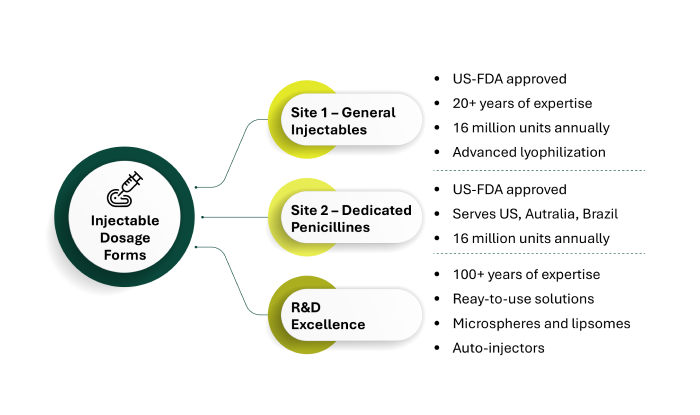
Strides' focus on patient-centric solutions is evident in its development of auto- injector devices, offering patient-friendly drug delivery options with a capacity to produce 16 million auto-injectors annually.
4. Regulatory Compliance
• Serialization and Track & Trace: Ensuring full visibility of products throughout the supply chain combats counterfeiting and enhances safety.
• Stricter Quality Standards: Adherence to global regulations and standards for drug storage and transportation is paramount.
5. Cold Chain Management
As the pharma landscape continues to evolve, cold chain management is emerging as one of the most critical areas within chain management in the pharma industry, particularly for biologics, vaccines, and gene therapies that require strict temperature controls.
Emerging trends in 2025 include:
• End-to-End Visibility with IoT: Real-time monitoring using IoT- enabled temperature sensors provides continuous data from production to delivery, helping prevent excursions and ensuring regulatory compliance.
• Smart Packaging: Temperature- sensitive packaging with embedded RFID and NFC technology enhances traceability and ensures product stability across distribution channels.
• AI-Driven Route Optimization: AI algorithms are now used to predict potential delays due to weather or transit issues and proactively adjust delivery routes to safeguard temperature integrity.
6. Warehouse Optimization
Pharma companies are reimagining warehouse infrastructure in 2025 to align with broader pharma supply chain trends like automation, speed, and scalability.
Key innovations include:
• Automated Storage and Retrieval Systems (ASRS): Reduces manual errors, accelerates picking speed, and increases storage efficiency— especially valuable for SKUs with varied shelf lives.
• Predictive Analytics: Integrated WMS (Warehouse Management Systems) now use demand forecasting data to optimize stock levels and reduce overstocking or expiry-related losses.
• Temperature & Humidity Control Zones: Segregated warehouse zones with micro-climate controls are gaining traction to accommodate diverse storage requirements for APIs, finished goods, and controlled substances.
7. Last Mile Delivery
The last mile is increasingly seen as a competitive advantage within supply chain management in the pharma industry, with a growing emphasis on agility, compliance, and patient satisfaction.
Current trends include:
• Temperature-Controlled Last Mile: Integration of cold chain logistics even in the final leg, particularly for personalized therapies or temperature-sensitive biologics.
• Geo-Tracking and ETA Alerts: Enhanced transparency through real-time GPS tracking and delivery time alerts for pharmacies and patients.
• Alternative Delivery Models: Partnerships with local fulfillment hubs, drone delivery pilots, and DTP (Direct-to-Patient) services are reshaping how medications reach end users.
8. Cybersecurity
With growing digitalization across the pharmaceutical value chain, cybersecurity has become a cornerstone of pharma supply chain trends in 2025. A single breach can compromise sensitive data, interrupt production, or result in regulatory penalties.
Evolving practices include:
• Zero Trust Architecture: Pharma companies are adopting Zero Trust frameworks that continuously verify identity and access credentials across all endpoints.
• Secure Supplier Ecosystems: Cyber risk assessments are now embedded into supplier qualification processes to ensure third-party data hygiene.
• Blockchain-Enabled Audit Trails: Blockchain is being explored for secure, tamper-proof tracking of pharma products and supply chain transactions.
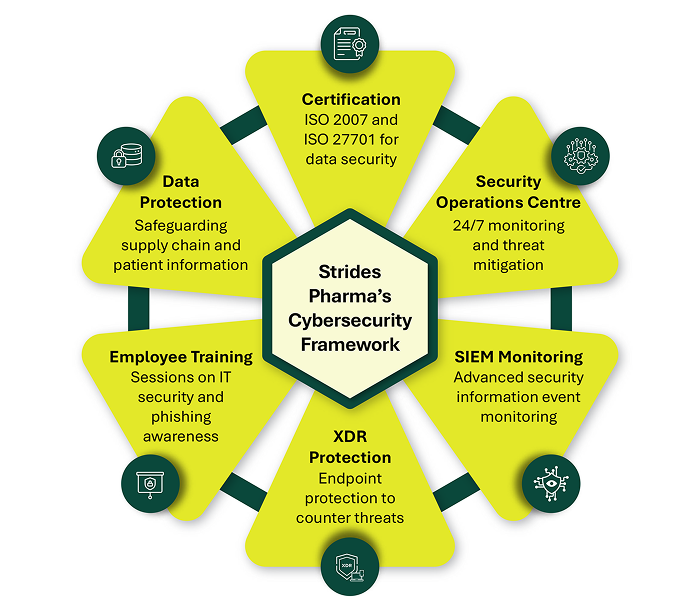
As digital transformation accelerates, protecting sensitive data across the pharmaceutical supply chain is paramount. Strides Pharma upholds a robust Information Security Policy, safeguarding its assets through strict access controls, compliance measures, and cyber incident management protocols.
9. Advanced Technology Adoption
• AI and Machine Learning: Optimizing inventory management, predictive maintenance, demand forecasting, and route planning.
• Blockchain: Enhancing drug traceability, combating counterfeiting, and providing transparent product origin and movement data.
• IoT Sensors: Real-time monitoring of temperature-sensitive drugs throughout the supply chain.
• Big Data Analytics: Generating insights to identify potential issues and improve decision-making.
In Summary
The pharmaceutical supply chain in 2025 is undergoing a major transformation, driven by sustainability goals, digital advancements, and a growing focus on patient outcomes. From integrating renewable energy to leveraging AI and blockchain, the latest pharma supply chain trends reflect a shift toward systems that are more agile, transparent, and resilient.
At Strides Pharma, the goal is clear—reimagine the supply chain to deliver more than efficiency. By innovating across clean energy, supplier partnerships, and digital tools, Strides ensures life-saving medications are delivered with precision, speed, and reliability.
"This is how the future of healthcare logistics is being shaped: bold actions today for a healthier tomorrow."
Key Takeaways:
Sustainability:
The pharmaceutical industry is adopting eco-friendly packaging, renewable energy, and circular economy practices to reduce its carbon footprint. Strides led this effort, with 44% of its energy already sourced from renewables and a target of 50% clean energy by FY25.
Supply Chain Resilience:
Diversification of suppliers, nearshoring, and advanced contingency planning are helping companies mitigate risks. Strides strengthens its resilience with 69.8% procurement value sourced locally and strategic supplier categorisation.
Patient-Centricity:
From personalised delivery options to direct-to-patient services, companies are enhancing accessibility and convenience. Strides supports this shift with its capacity to produce 16 million auto-injectors annually.
Technology Adoption:
AI, IoT sensors, and blockchain are optimising inventory management, ensuring traceability, and enhancing decision-making. Strides leverages advanced SAP tools for end-to-end supply chain visibility.
Cybersecurity:
Protecting sensitive data and ensuring compliance are essential in an increasingly digital world. Strides upholds robust information security protocols with ISO-certified standards and 24/7 monitoring systems.
References
- • Strides Pharma Science Ltd
- • From Molecules to Metadata: Guide to Data Privacy and Security in Pharma Industry
- • Four ways pharma companies can make their supply chains more resilient | McKinsey
- • https://strides.com/pdf/sustainability/Strides_SR_Final.pdf
- • Stride | Sustanability